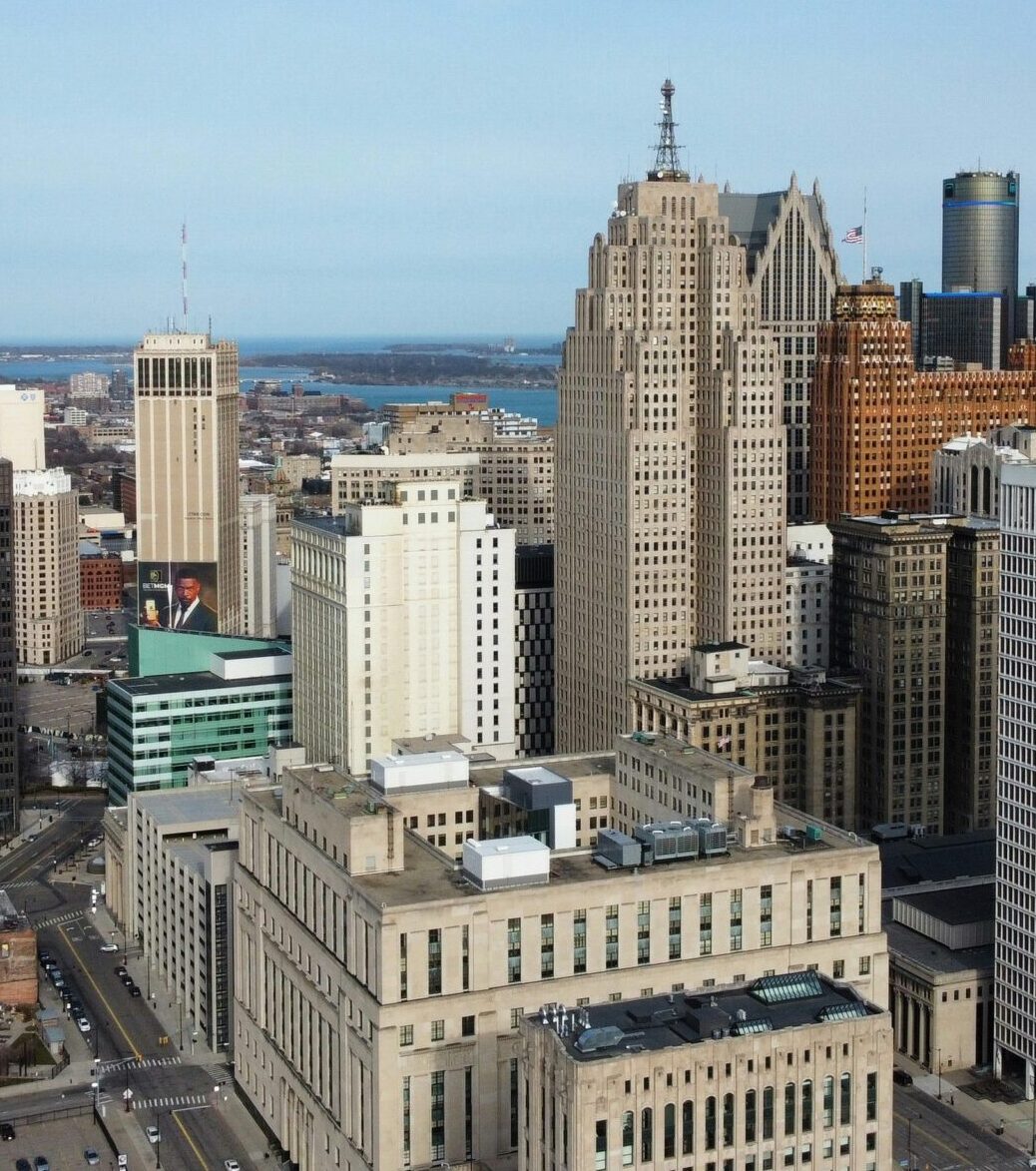
So, you’re curious about how Detroit is shaking things up and building a better future? That’s a great question, and the short answer is: it’s a multifaceted effort involving a lot of smart people and organizations rethinking what a city can be. It’s not just about shiny new office buildings or trendy restaurants, though those are part of the story. It’s more about reinvesting in neighborhoods, supporting local businesses, creating jobs that pay well, and making sure everyone has a chance to benefit from the city’s comeback. It’s a work in progress, but there’s a real sense of momentum and a lot of practical action happening on the ground.
Detroit’s revitalization isn’t happening in a vacuum; it’s deeply rooted in strengthening the very fabric of the city – its residents and its communities. For too long, certain neighborhoods were overlooked, leading to disinvestment and a cycle of challenges. The current push is about reversing that trend and ensuring that development benefits everyone, not just a select few.
Addressing Housing and Affordability
One of the most visible aspects of Detroit’s resurgence is the change in its housing market. While this has brought new life and investment, it also raises critical questions about affordability. Efforts are underway to ensure that as the city grows, long-time residents aren’t priced out of their homes.
Rent Stabilization and Assistance Programs
You’ll find a growing number of initiatives focused on keeping housing costs manageable. This includes exploring rent stabilization measures in certain areas and expanding rental assistance programs for low-income families and seniors. The goal is to create a more balanced market where economic growth doesn’t come at the expense of community stability.
Homeownership Opportunities
Beyond rentals, there’s a significant push to make homeownership accessible. Programs offering down payment assistance, low-interest loans, and rehabilitation grants are helping individuals and families become homeowners. This not only provides stability for residents but also fosters a deeper sense of connection to their neighborhoods.
Community Land Trusts and Affordable Housing Development
To ensure long-term affordability, community land trusts are playing an increasingly important role. These non-profit organizations hold land in trust for the benefit of the community, keeping housing permanently affordable. Alongside this, developers are increasingly being incentivized to include affordable units in new projects.
Empowering Local Entrepreneurs and Small Businesses
A strong city needs strong local businesses, and Detroit is recognizing that the entrepreneurial spirit is a key driver of its recovery. Supporting these businesses means more than just a friendly handshake; it involves providing practical resources and creating an environment where they can thrive.
Access to Capital and Funding
For many small businesses, securing funding is a major hurdle. Detroit is seeing increased activity around community development financial institutions (CDFIs) and local loan funds that offer more accessible and flexible financing options than traditional banks. Grants and pitch competitions are also being used to inject capital into promising local ventures.
Business Incubation and Technical Assistance
It’s not just about money; it’s about knowledge and support. Business incubators and accelerators are popping up, offering mentorship, workspace, and crucial advice on everything from marketing and financial planning to legal matters and navigating regulations. They provide a structured environment for businesses to grow and refine their strategies.
Supporting Diverse Businesses and Workforces
A significant focus is placed on supporting businesses owned by women, minorities, and other underrepresented groups. This includes targeted programs and partnerships designed to level the playing field and ensure that the benefits of economic growth are shared more broadly. Developing a diverse workforce is also a priority, with training programs and apprenticeships aimed at connecting residents with in-demand skills.
Building Detroit has become a focal point for urban revitalization, attracting attention from various stakeholders interested in the city’s growth and development. For those looking to understand the broader context of community engagement and local initiatives, a related article can be found at Join Detroit, which outlines the importance of collaboration among residents, businesses, and organizations in fostering a thriving urban environment. This resource highlights the various ways individuals can contribute to the ongoing transformation of Detroit, emphasizing the power of collective action in shaping the city’s future.
Rethinking Urban Mobility and Infrastructure
Detroit’s past was built on the automobile, but the future of urban living demands more diverse and sustainable ways to move around. This means looking beyond traditional car-centric planning and embracing a multi-modal approach that benefits both residents and the environment.
Public Transit Enhancements
Public transportation is undergoing a significant overhaul. The aim is to make it more reliable, accessible, and convenient for a wider range of residents.
Expanded Bus Routes and Frequency
You’re seeing efforts to increase the reach of bus routes, especially into historically underserved neighborhoods. More importantly, the frequency of service is being improved, meaning less time spent waiting at stops and greater usability for daily commutes.
Introduction of New Transit Technologies
Beyond buses, there’s exploration and implementation of newer transit solutions. This could include dedicated bus rapid transit (BRT) lanes for faster commutes or pilot programs for on-demand microtransit services in certain areas.
Improved Accessibility for All Riders
Ensuring that public transit is usable for everyone is paramount. This means investing in accessible bus stops, upgraded vehicles with better ramps and seating, and clear communication for riders with disabilities.
Promoting Walkability and Cycling
Beyond public transit, Detroit is actively working to create safer and more appealing environments for pedestrians and cyclists. This taps into health benefits and fosters a more vibrant street life.
Development of Pedestrian-Friendly Infrastructure
This involves widening sidewalks, improving crosswalk visibility, and adding street lighting in key areas. The goal is to make walking a safe and enjoyable option for short trips.
Expanding and Connecting Bike Lanes
A growing network of protected bike lanes is being developed, aiming to connect residential areas with commercial centers, parks, and other key destinations. This provides a safe alternative for commuting and recreation.
Greenways and Trails for Recreation
Beyond just commuting, there’s a focus on developing greenways and trails that offer recreational opportunities and connect different parts of the city. These pathways often incorporate natural beauty and provide a welcome escape from the urban hustle.
Investing in Green Spaces and Sustainability

Revitalizing Detroit also means embracing a more sustainable future. This involves re-imagining the city’s relationship with its environment and creating healthier, more resilient communities.
Greening Urban Spaces and Addressing Vacancy
Detroit has a unique opportunity with its vacant land, and there’s a concerted effort to transform these underutilized spaces into valuable community assets.
Urban Farms and Community Gardens
You’ll see a proliferation of urban farms and community gardens, turning vacant lots into sources of fresh, local food. These initiatives not only provide healthy options but also create opportunities for community engagement and education.
Parks and Recreational Area Development
Existing parks are being revitalized, and new green spaces are being created. These areas are designed to offer a range of recreational activities, from playgrounds and sports fields to quiet picnic spots and natural habitats.
Bioswales and Green Infrastructure for Stormwater Management
To combat issues like flooding and improve water quality, Detroit is increasingly implementing green infrastructure solutions, such as bioswales and permeable pavements. These natural systems help absorb and filter stormwater, reducing the burden on traditional drainage systems.
Promoting Renewable Energy and Energy Efficiency
The shift towards a sustainable future also includes embracing cleaner energy sources and reducing the city’s overall energy footprint.
Solar Panel Installations and Incentives
There’s a growing interest in solar energy, with programs offering incentives for homeowners and businesses to install solar panels. This not only reduces reliance on fossil fuels but also lowers energy costs.
Energy Efficiency Upgrades for Buildings
Many initiatives are focused on improving the energy efficiency of existing homes and commercial buildings. This can include insulation upgrades, efficient window replacements, and the adoption of smarter heating and cooling systems.
Waste Reduction and Recycling Programs
Beyond energy, there’s a continued emphasis on reducing waste and improving recycling rates across the city. This involves public education campaigns and better infrastructure for waste management.
Fostering Innovation and the Future Economy

Detroit’s past was in manufacturing, but its future is being shaped by innovation and a diversification of its economic base. This means attracting new industries, supporting cutting-edge research, and training the workforce of tomorrow.
Cultivating Tech and Innovation Hubs
The city is actively working to become a magnet for technology and innovation, creating environments where new ideas can flourish.
Co-working Spaces and Innovation Districts
You’re seeing the development of dedicated innovation districts and co-working spaces that bring together entrepreneurs, startups, and established companies. These hubs foster collaboration and provide shared resources.
Investment in Research and Development
There’s increasing investment in research and development within universities and private companies, focusing on emerging fields like advanced manufacturing, mobility solutions, and biotechnology.
Attraction of Tech Companies and Startups
Detroit is actively working to attract tech companies and startups by offering incentives, streamlining regulatory processes, and highlighting the city’s growing talent pool and affordability.
Developing a Skilled Workforce for Emerging Industries
A key component of any economic revitalization is ensuring that residents have the skills needed for the jobs of the future.
Partnerships with Educational Institutions
Strong collaborations are being forged between K-12 schools, community colleges, and universities to develop curricula aligned with the needs of growing industries. This includes vocational training and degree programs.
Targeted Job Training and Upskilling Programs
Numerous programs are focused on providing job training and upskilling opportunities for Detroit residents, particularly in fields experiencing growth like skilled trades, advanced manufacturing, IT, and healthcare.
Apprenticeships and On-the-Job Training
Apprenticeship programs are being expanded to provide hands-on experience and direct pathways to well-paying careers in various sectors. This often involves partnerships between employers and training providers.
Building Detroit is an exciting initiative that aims to revitalize the city and create new opportunities for its residents. For those interested in learning more about the various projects and community efforts underway, a related article can provide valuable insights. You can explore this further by visiting this link, which offers a comprehensive overview of the developments shaping the future of Detroit.
The Role of Community and Collaboration
| Building Name | Location | Height (ft) | Year Built |
|---|---|---|---|
| Renaissance Center | Downtown Detroit | 727 | 1977 |
| One Detroit Center | Downtown Detroit | 619 | 1993 |
| Guardian Building | Downtown Detroit | 632 | 1929 |
Ultimately, Detroit’s revitalization isn’t a top-down mandate; it’s a collective effort built on the strength of its communities and the power of collaboration. Without the ongoing engagement of residents, non-profits, and various stakeholders, any progress would be fragile.
Empowering Community Organizations
Local community organizations have always been the bedrock of Detroit’s neighborhoods, and their role is more crucial than ever. They are often on the front lines of addressing immediate needs and driving grassroots change.
Grassroots Initiatives for Neighborhood Improvement
You’ll find countless examples of residents organizing to clean up vacant lots, start neighborhood watch programs, and advocate for local improvements. These initiatives build community pride and ownership.
Non-Profits Providing Essential Services
A vast network of non-profit organizations continues to provide vital services ranging from food banks and after-school programs to legal aid and mental health support, ensuring that vulnerable populations are not left behind.
Resident-Led Planning and Decision-Making
Increasingly, there’s a focus on ensuring that residents have a seat at the table when decisions are made about development and resource allocation in their neighborhoods. This promotes a more equitable approach.
Public-Private Partnerships Driving Progress
Effective revitalization requires bridging the gap between the public and private sectors, and Detroit is a prime example of this in action.
Coordinated Development Projects
Many significant projects involve collaboration between city government, private developers, and community groups to ensure that new developments align with community needs and aspirations.
Investment in Public Spaces and Amenities
Public-private partnerships are often instrumental in funding and developing enhanced public spaces, from revitalized parks and public art installations to improved recreational facilities.
Data-Driven Decision-Making and Impact Measurement
There’s a growing emphasis on using data to track the impact of revitalization efforts and to inform future strategies. This ensures accountability and helps to refine programs for maximum effectiveness.
In conclusion, Detroit’s journey towards a brighter future is a rich tapestry woven with threads of investment, innovation, sustainability, and, most importantly, people. It’s a story of resilience and a testament to what can be achieved when a city chooses to reinvest in itself, from its core infrastructure to the aspirations of its residents.
FAQs
What is the history of Detroit’s architecture?
Detroit’s architecture has a rich history, with a mix of historic buildings from the late 19th and early 20th centuries, as well as modern skyscrapers and contemporary designs. The city’s architecture reflects its industrial past, with many buildings showcasing the Art Deco and Gothic Revival styles.
What are some iconic buildings in Detroit?
Some iconic buildings in Detroit include the Guardian Building, the Fisher Building, the Renaissance Center, and the Michigan Central Station. These buildings are known for their architectural significance and historical importance to the city.
How has Detroit’s architecture evolved over time?
Detroit’s architecture has evolved over time, with different periods of construction and design influencing the city’s skyline. From the industrial boom of the early 20th century to the modern revitalization efforts, Detroit’s architecture has seen a mix of styles and influences.
What are some recent developments in Detroit’s architecture?
Recent developments in Detroit’s architecture include the construction of new residential and commercial buildings, as well as the adaptive reuse of historic structures. The city has also seen an increase in sustainable and green building practices in recent years.
How does Detroit’s architecture contribute to the city’s identity?
Detroit’s architecture plays a significant role in shaping the city’s identity, reflecting its history, culture, and economic development. The city’s diverse architectural landscape contributes to its unique character and serves as a source of pride for its residents.