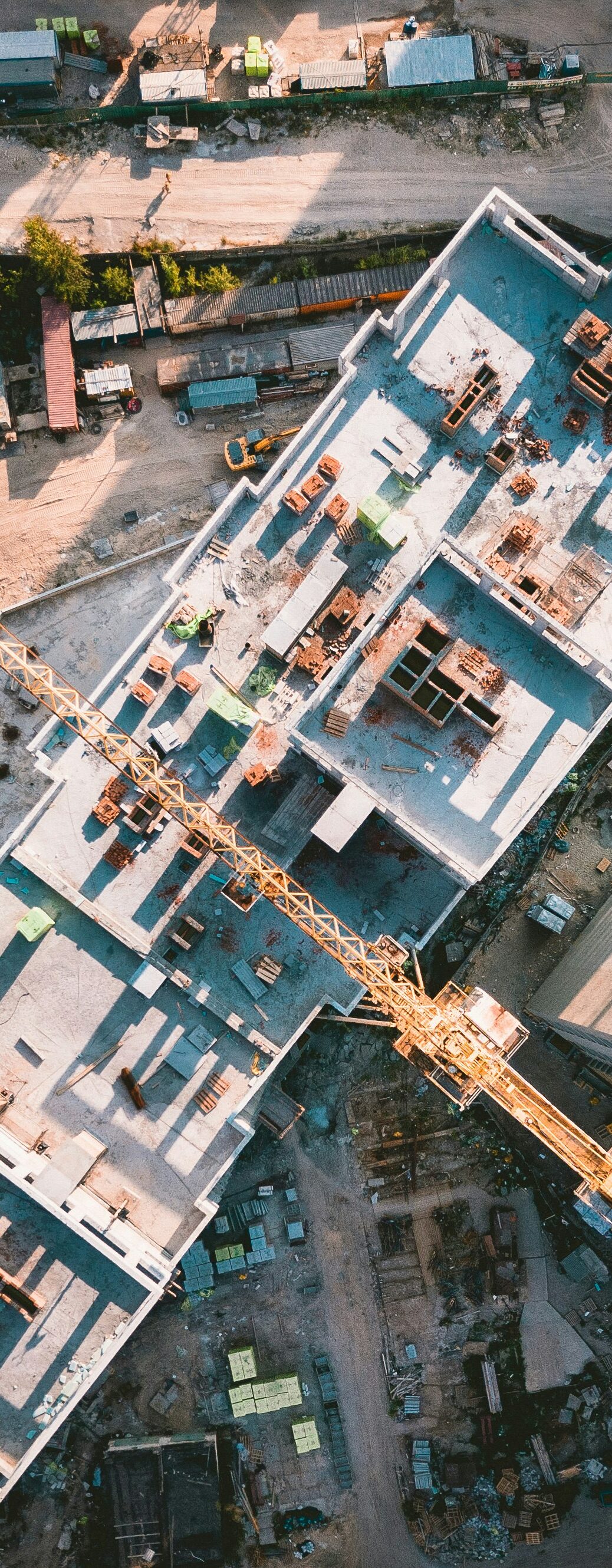
Revitalizing cities isn’t just about constructing new buildings; it’s a dynamic process of making urban areas better places to live, work, and thrive. At its heart, it’s about addressing challenges like economic stagnation, social inequality, and environmental degradation, and turning them into opportunities for growth and improvement. This means a blend of strategic planning, thoughtful investment, and community engagement to transform neglected areas into vibrant hubs.
Before we can build anew, we need to understand what’s broken or struggling. Cities, like living organisms, face various issues that hinder their potential.
Economic Decline and Job Loss
Many older industrial cities, for instance, have struggled to adapt to a globalized, knowledge-based economy. When major industries shutter, it leaves behind not just empty factories, but also a vacuum of job opportunities, decreased spending, and a general sense of decline. This economic downturn often spirals, leading to reduced tax revenue for essential services.
Social Fragmentation and Inequality
Urban areas can be melting pots, but they can also be places of stark division. Income disparities, limited access to education or healthcare in certain neighborhoods, and a lack of safe, communal spaces can lead to social fragmentation. When communities don’t feel connected or supported, crime rates can rise, and civic participation can dwindle.
Environmental Degradation and Inadequate Infrastructure
Older cities especially often grapple with aging infrastructure – think crumbling roads, outdated public transit, and strained water systems. Beyond that, issues like air pollution, lack of green spaces, and inefficient energy use contribute to a lower quality of life and pose serious health risks for residents. Brownfield sites, abandoned or underutilized industrial or commercial properties where expansion or redevelopment is complicated by real or perceived environmental contamination, are another significant challenge.
Outdated Zoning and Land Use Policies
Sometimes, the very rules designed to manage growth end up stifling it. Rigid or outdated zoning regulations can prevent innovative mixed-use developments, maintain car-centric designs in areas that could thrive with pedestrian activity, or inadvertently create “food deserts” by restricting grocery stores in residential areas. These policies can hinder a city’s ability to evolve and adapt to contemporary needs.
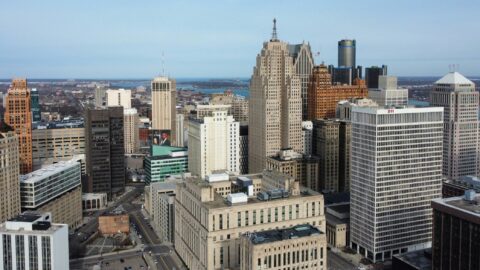
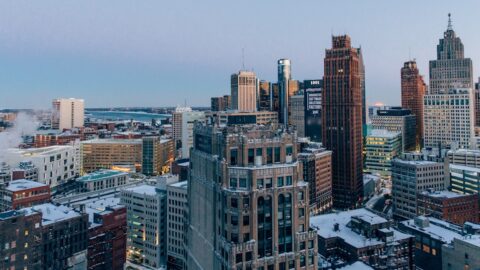
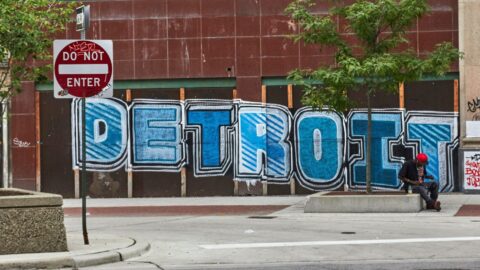
Urban development plays a crucial role in shaping the future of cities, and one insightful article that delves into this topic is found on the Join Detroit website. This piece explores various initiatives aimed at revitalizing Detroit, highlighting community engagement and innovative projects that are transforming the urban landscape. To read more about these inspiring stories and the ongoing efforts in urban development, visit Join Detroit: Detroit Stories.
Comprehensive Planning: The Blueprint for Success
Effective revitalization doesn’t happen by accident. It requires a clear vision and a robust plan that considers all aspects of urban life.
Vision Setting and Stakeholder Engagement
The first step is to collaboratively define what success looks like. This isn’t just about what city officials think; it’s about extensive dialogue with residents, local businesses, community organizations, and academic institutions. What do people want their city to be? What are their hopes and concerns? Techniques like public forums, surveys, charrettes (intensive planning sessions), and citizen juries can gather diverse perspectives and build consensus. This engagement ensures the vision is shared and truly reflects the community’s aspirations.
Strategic Land Use and Zoning Reform
A key part of creating a revitalized city is reassessing how land is used. This often means moving away from single-use zoning (where areas are strictly residential, commercial, or industrial) towards more flexible, mixed-use approaches. Imagine ground-floor retail with apartments above, fostering walkable neighborhoods and reducing commute times. Zoning reform can also encourage the redevelopment of underutilized parcels, promote higher-density living where appropriate, and protect valuable open spaces or historic districts.
Infrastructure Modernization and Smart City Integration
Investing in infrastructure is foundational. This includes upgrading public transit networks (buses, trams, subways) to make them more efficient and accessible, repairing and expanding water and wastewater systems, and ensuring reliable high-speed internet access across all neighborhoods. “Smart city” concepts, which leverage technology to improve urban services and quality of life, are increasingly vital. This could mean smart traffic lights to reduce congestion, sensor networks to monitor air quality, or digital platforms for civic engagement and service delivery.
Sustainable Development Principles
Long-term vitality requires a commitment to sustainability. This isn’t just about being “green”; it’s about creating resilient cities that can withstand future challenges. Strategies include promoting renewable energy sources, encouraging green building practices (LEED certification, for example), developing extensive park systems and urban forests, and implementing robust waste management and recycling programs. Sustainable planning also considers climate change adaptation, such as permeable surfaces to manage stormwater or enhanced coastal protections.
Economic Diversification: Building a Robust Future

A healthy city needs a healthy economy that isn’t overly reliant on one or two industries. Diversification creates resilience and new opportunities.
Supporting Entrepreneurship and Small Businesses
Small businesses are the lifeblood of local economies. Cities can foster an entrepreneurial ecosystem through incubators and accelerators that provide mentorship and resources, facilitating access to capital (grants, low-interest loans), and streamlining permitting processes. Creating vibrant commercial districts with amenable leasing terms also helps small businesses take root and flourish, supporting local job creation and unique neighborhood character.
Attracting New Industries and Investment
Beyond local growth, cities actively seek to attract larger employers and new industries. This involves developing economic incentives (tax abatements, development grants), marketing the city’s unique assets (skilled workforce, research institutions, quality of life), and investing in the necessary infrastructure to support these businesses. The goal is to identify emerging sectors and align city resources to become an attractive hub for them, whether it’s tech, biotech, advanced manufacturing, or a creative economy.
Workforce Development and Education Partnerships
A skilled workforce is a magnet for businesses. Cities can partner with local colleges, universities, and vocational schools to create training programs that directly address the needs of growing industries. This might involve apprenticeships, certifications in specific technologies, or upskilling programs for workers in declining sectors. The aim is to ensure residents have the skills demanded by current and future employers, bridging the gap between available jobs and local talent.
Promoting Tourism and Cultural Heritage
Tourism can be a significant economic driver, generating revenue and creating jobs. Cities can invest in promoting their unique cultural attractions, historical sites, arts scenes, and culinary offerings. This includes supporting museums, theater groups, music venues, and local festivals. Protecting and celebrating a city’s heritage not only draws visitors but also reinforces a strong sense of identity for residents.
Social Inclusion and Community Building: A People-Centered Approach

Revitalization isn’t just about buildings and businesses; it’s about creating equitable, vibrant communities where everyone feels a sense of belonging.
Affordable Housing Initiatives
Access to safe, affordable housing is fundamental. Cities employ various strategies, including inclusionary zoning (requiring a percentage of new developments to be affordable), land trusts that acquire and manage affordable properties, and rental assistance programs. They also partner with non-profit developers and leverage federal funding to create and preserve affordable housing options for diverse income levels, preventing displacement in rapidly redeveloping areas.
Public Spaces and Green Infrastructure
Parks, plazas, community gardens, and waterfronts are vital for quality of life. These public spaces provide recreational opportunities, foster social interaction, and improve urban aesthetics. Green infrastructure, which mimics natural water cycles to manage stormwater, includes things like permeable pavements, rain gardens, and green roofs. These not only make cities more beautiful but also offer environmental benefits, reducing flooding and improving air quality.
Access to Quality Education and Healthcare
| City | Population | Land Area (sq km) | Population Density (people/sq km) |
|---|---|---|---|
| New York City | 8,336,817 | 789 | 10,715 |
| Tokyo | 9,273,000 | 2,194 | 4,228 |
| Mumbai | 12,478,447 | 603 | 20,694 |
Equal access to excellent schools and healthcare services is a cornerstone of an equitable city. Revitalization strategies can involve upgrading school facilities, supporting innovative educational programs, and recruiting high-quality educators. Similarly, expanding access to healthcare clinics, mental health services, and fresh food options (especially in “food deserts”) ensures all residents have the resources they need to thrive.
Arts, Culture, and Identity Preservation
A city’s unique character and cultural identity are invaluable. Supporting local artists, cultural institutions, and community events enriches urban life and fosters a sense of place. Protecting historic buildings and neighborhoods, rather than demolishing them, preserves the physical embodiment of a city’s past and adds distinctiveness to its future. This deliberate focus on culture helps to create a vibrant, livable city that people are proud to call home.
Urban development is a multifaceted process that involves planning, designing, and managing urban spaces to create sustainable and livable environments. A recent article discusses innovative strategies for enhancing urban resilience, which can be crucial in addressing the challenges posed by climate change and population growth. For more insights on this topic, you can read the article on urban resilience strategies here. By integrating these strategies into urban planning, cities can better adapt to future challenges while improving the quality of life for their residents.
Measuring Progress and Adapting Strategies: The Iterative Process
Urban development is an ongoing journey, not a destination. Consistent evaluation and flexibility are crucial.
Data-Driven Decision Making
Effective revitalization relies on collecting and analyzing relevant data. This includes economic indicators (job growth, business starts), social metrics (crime rates, educational attainment, poverty levels), environmental data (air quality, green space per capita), and demographic shifts. This data helps identify what’s working, what’s not, and where adjustments are needed. It moves planning beyond assumptions to evidence-based interventions.
Performance Indicators and Benchmarking
Cities need clear performance indicators to measure progress against their revitalization goals. Are crime rates decreasing in targeted neighborhoods? Has public transit ridership increased? Is there a measurable improvement in air quality? Benchmarking against other successful cities can also provide insights and inspiration, showing what’s possible and helping to refine local strategies.
Community Feedback and Participatory Evaluation
Beyond raw data, qualitative feedback from residents is invaluable. Regular surveys, community meetings, and feedback mechanisms allow citizens to voice their opinions on ongoing projects and initiatives. Participatory evaluation, where community members are actively involved in assessing the impact of revitalization efforts, fosters greater ownership and ensures that projects genuinely meet local needs.
Flexibility and Adaptive Planning
No plan is perfect, and circumstances change. Economic downturns, technological advancements, shifts in population, or unforeseen environmental challenges can all impact a city’s trajectory. Therefore, revitalization strategies must be flexible and adaptable. This means regular review cycles, a willingness to pivot when necessary, and a commitment to continuous learning and improvement. Urban revitalization is a living process, constantly evolving with the city it serves.
FAQs
What is urban development?
Urban development refers to the planning and construction of cities and towns to accommodate the growing population and improve the quality of life for residents. It involves the development of infrastructure, housing, transportation, and public spaces.
What are the goals of urban development?
The goals of urban development include creating sustainable and livable cities, reducing poverty and inequality, improving access to basic services such as water and sanitation, promoting economic growth, and preserving cultural heritage.
What are some key components of urban development?
Key components of urban development include urban planning, transportation systems, affordable housing, public spaces, environmental sustainability, and economic development. These components are essential for creating well-functioning and inclusive cities.
What are some challenges of urban development?
Challenges of urban development include rapid urbanization, inadequate infrastructure, informal settlements, traffic congestion, pollution, lack of affordable housing, and social inequality. Addressing these challenges requires comprehensive planning and investment.
What are some examples of successful urban development projects?
Examples of successful urban development projects include the revitalization of waterfront areas, the development of sustainable transportation systems such as bike lanes and public transit, the creation of mixed-use developments that combine residential and commercial spaces, and the implementation of green building initiatives to reduce environmental impact.